
Landscape project · Mirror stainless steel sphere
A mirror sphere project coordinated from reflection to foundation.
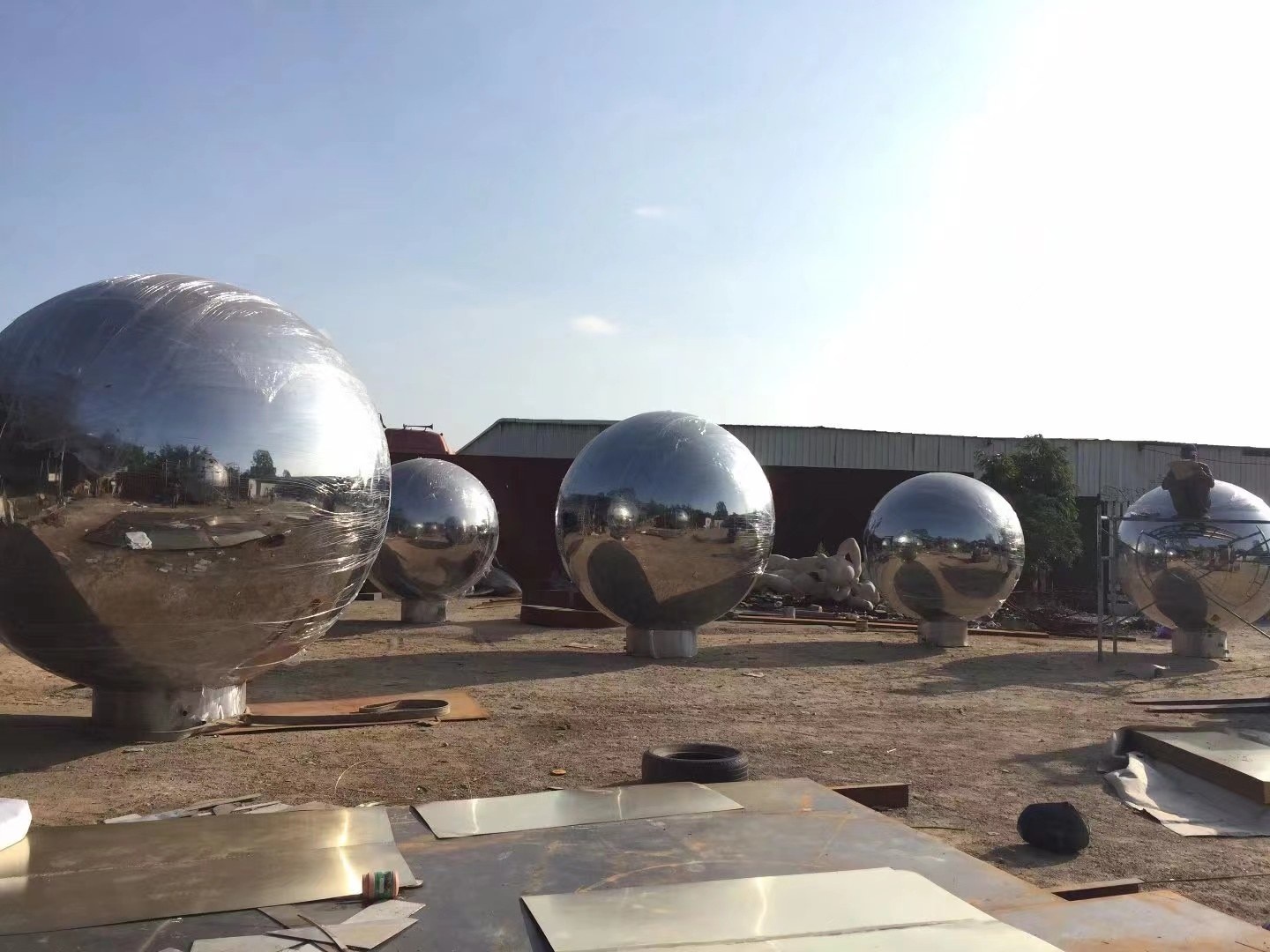
This page follows one outdoor sphere project through installed, finished and fabrication views. A new commission is reviewed around diameter, reflection tolerance, shell structure, base, drainage, anchoring, access and packing—not selected as a ready-stock garden ornament.
- Reference application
- Outdoor landscape group
- Visual direction
- Mirror-polished spherical forms
- Custom scope
- Diameter, struktur, base and logistics
Same-project evidence
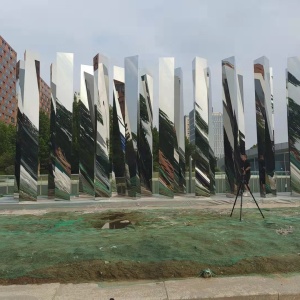
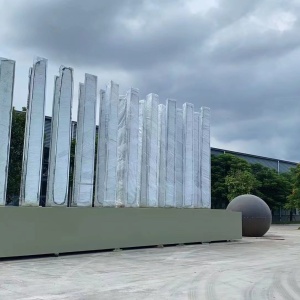
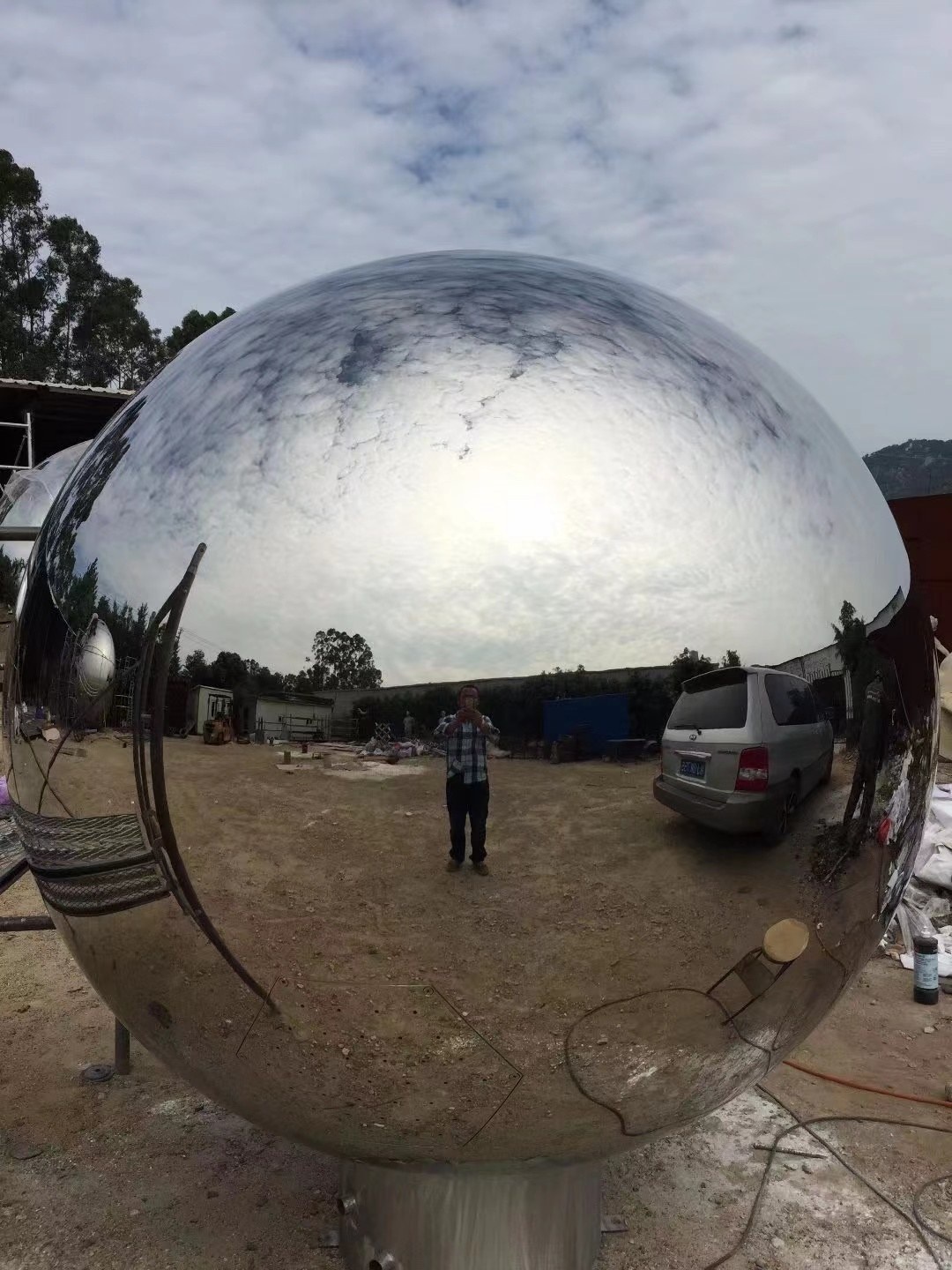
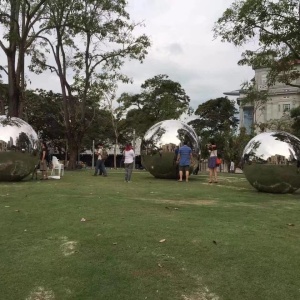
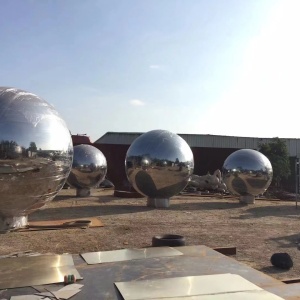
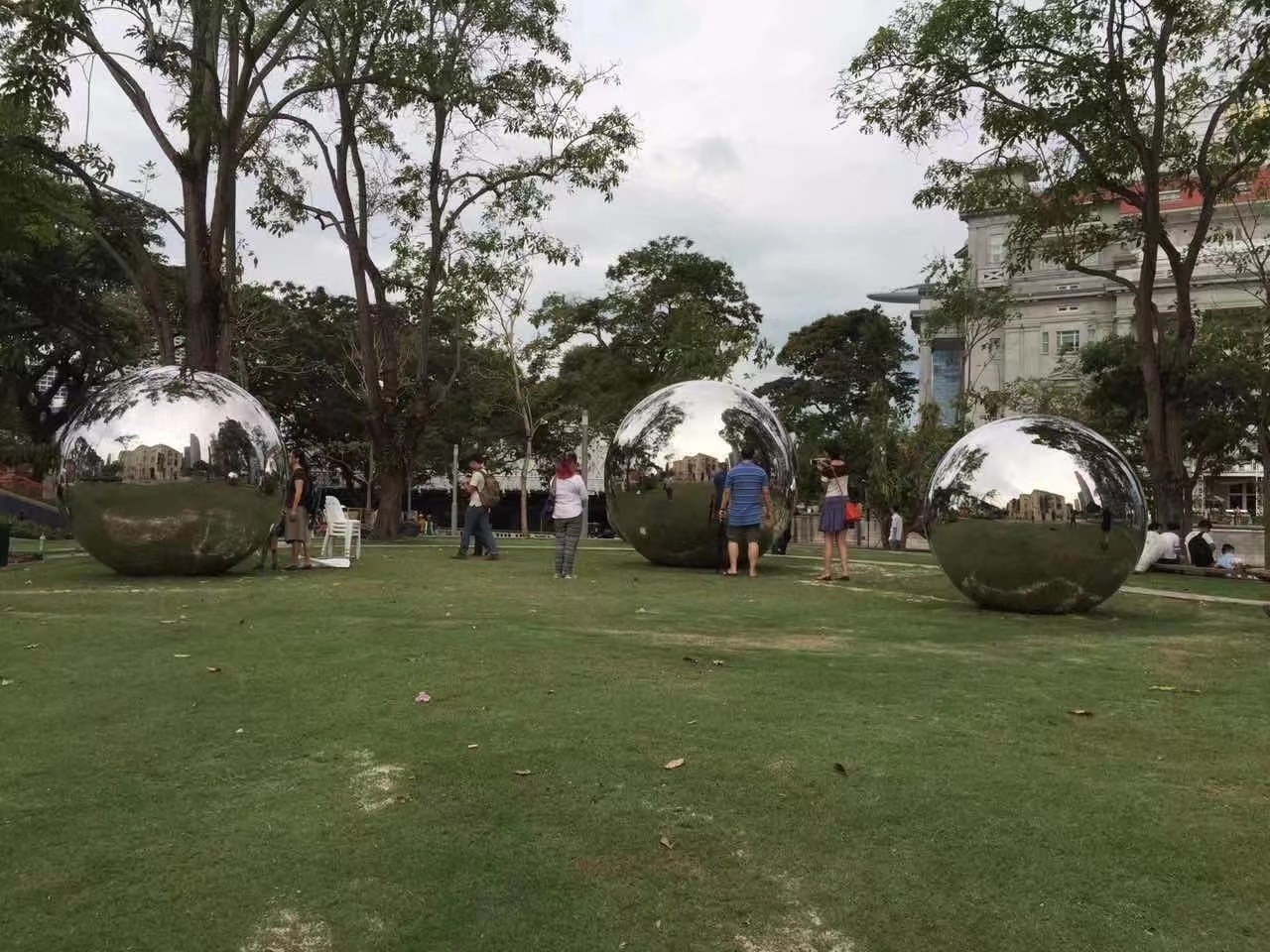
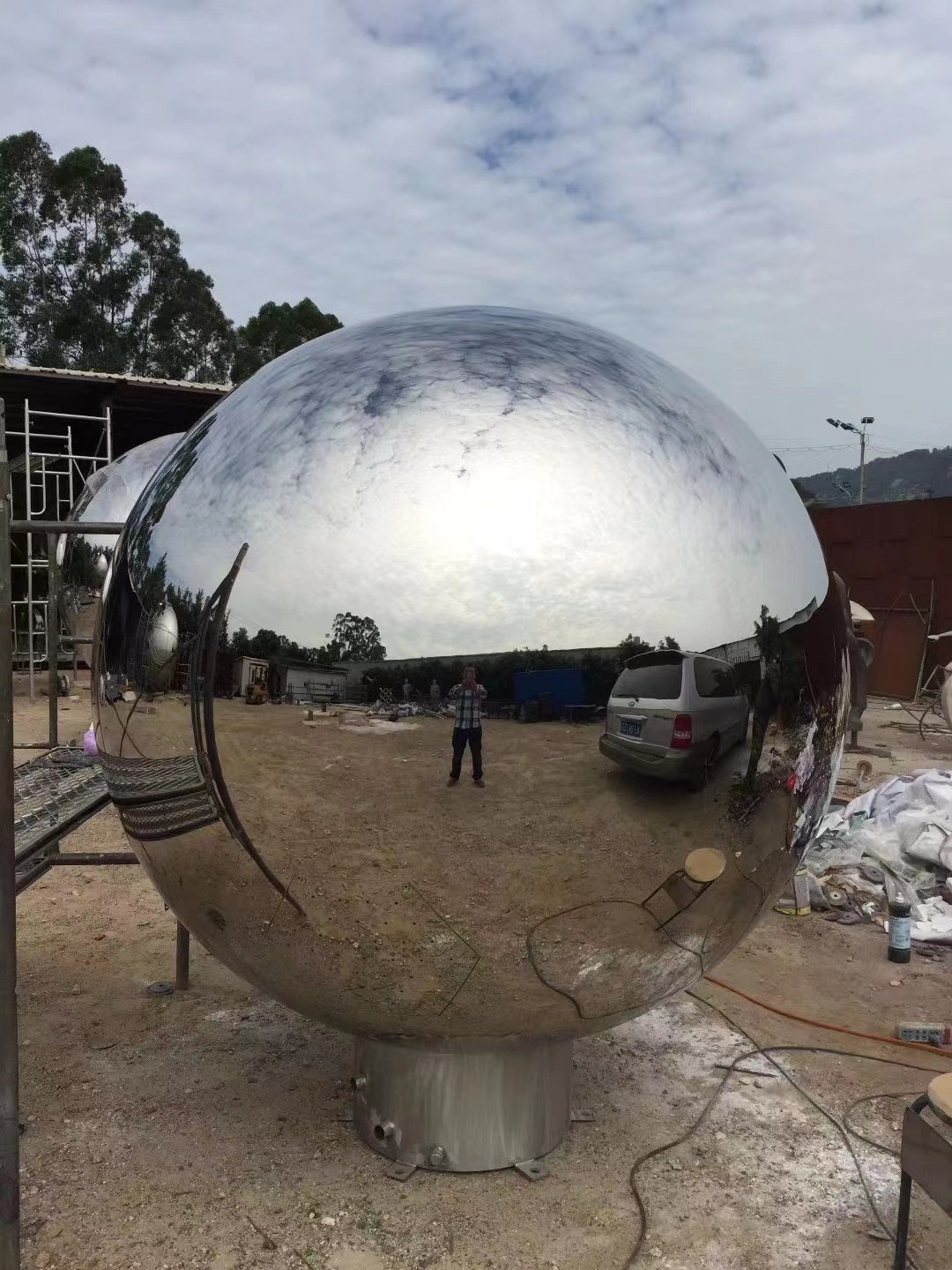
Installed context and close reflection belong to one sphere project.
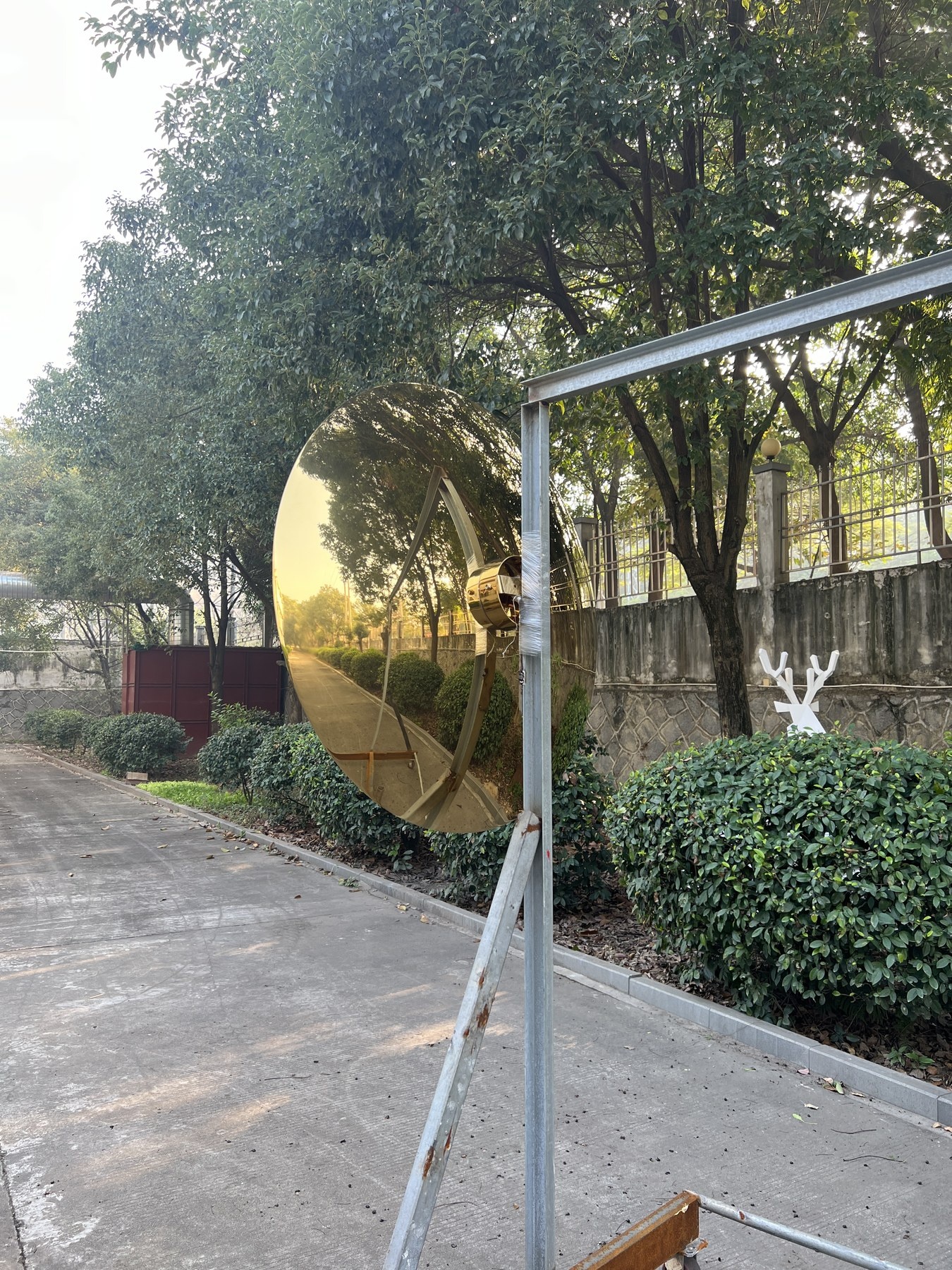
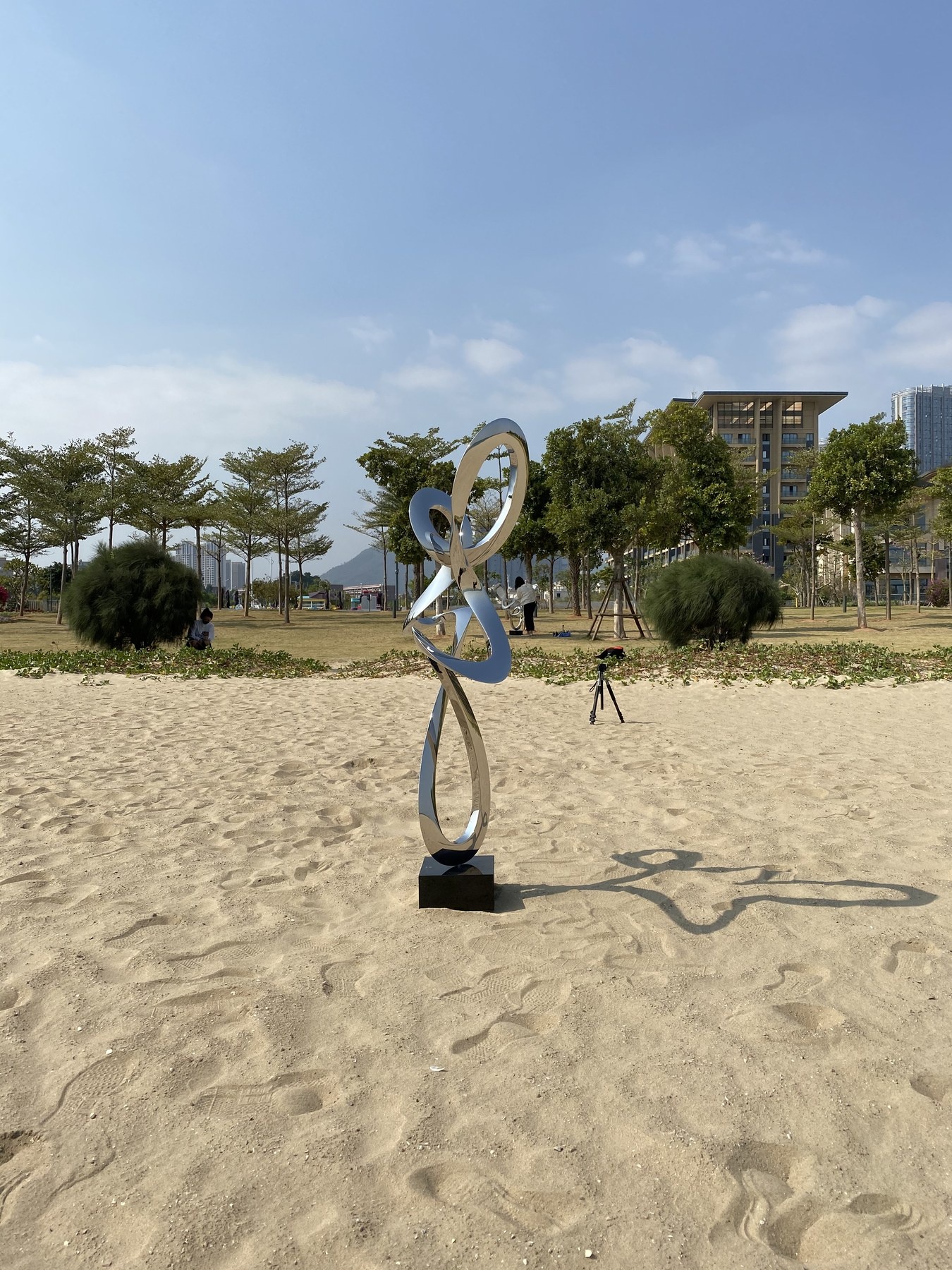
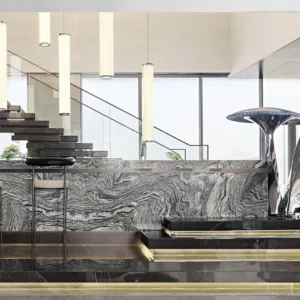
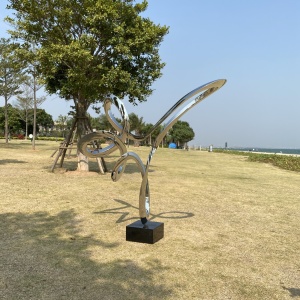
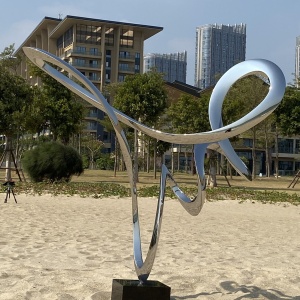
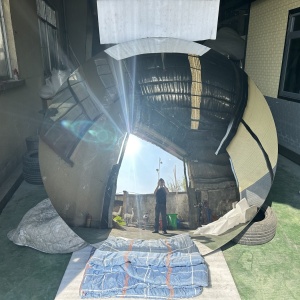
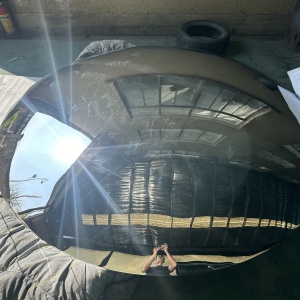
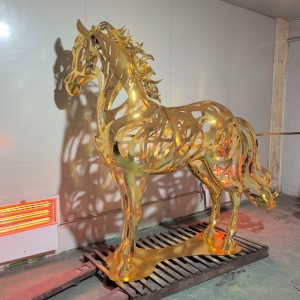
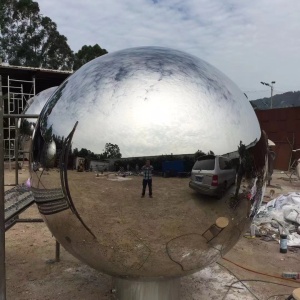
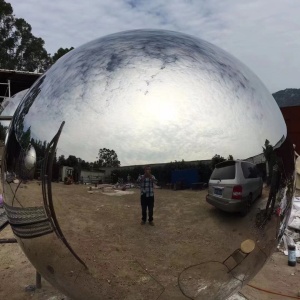
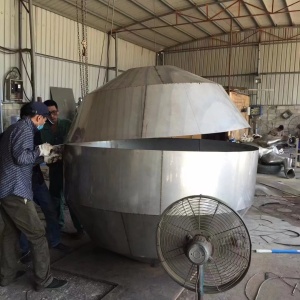
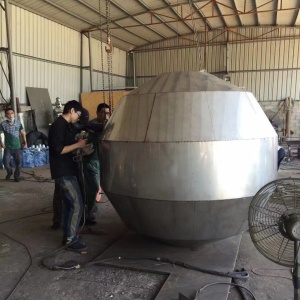
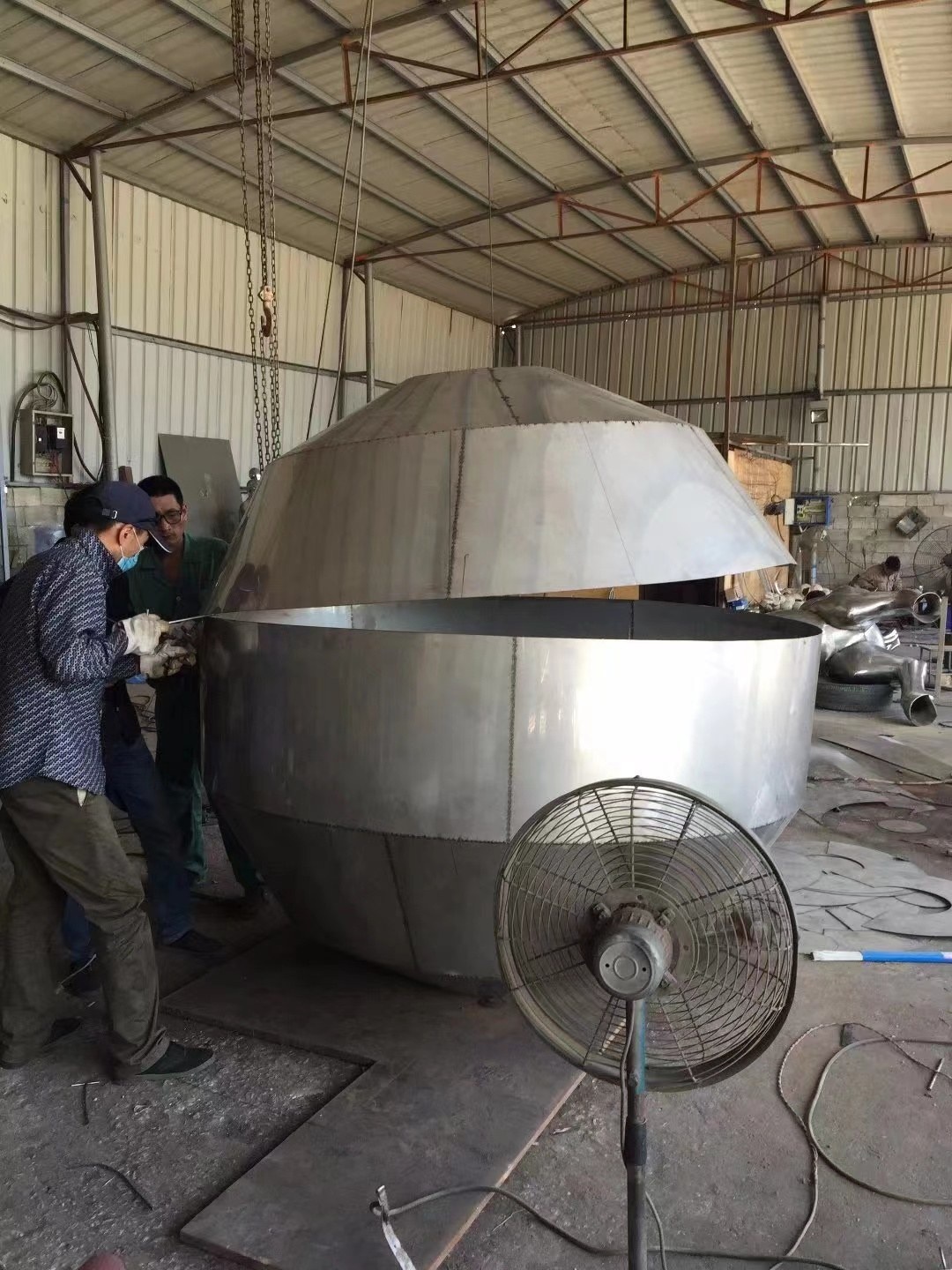
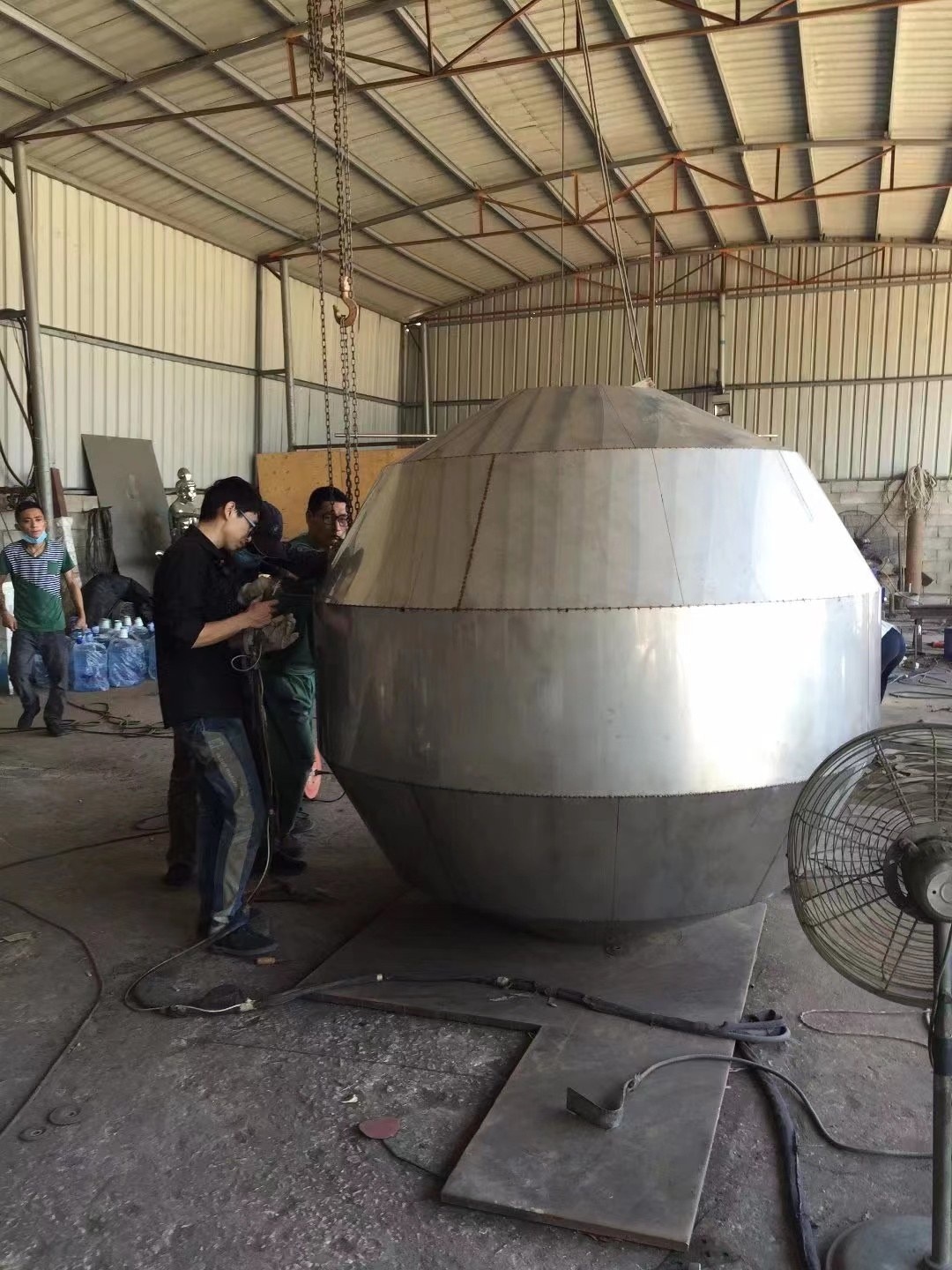
The landscape group and closer finished view show how scale, spacing and reflected surroundings change the experience. Workshop views then document the shell before final surface refinement.
Reflection control
A sphere reveals every change in geometry and surface continuity.
Panel forming, welding sequence, grinding and progressive polishing influence how straight lines and surrounding objects appear in the reflection. The acceptable visual standard and principal viewing distance should be agreed before fabrication is complete.
Evidence boundary: the images document one reference project. Final stainless steel specification, shell thickness, base engineering, drainage and anchoring depend on the approved diameter, climate, visitor access and site design.
Project risks we help reduce
Four risks to resolve before a mirror sphere is released for production.
Landscape buyers need the sphere to look continuous, remain stable and arrive without surface damage. The project review links the visual finish to foundation, access and handling decisions.
Reflection looks wavy
Set the viewing distance and acceptable reflection tolerance, then coordinate forming, seams, grinding and polishing around that standard.
The base is unresolved
Review finished grade, drainage, concealed support, anchoring and maintenance access with the landscape and structural teams.
The sphere cannot reach the site
Check roads, gates, lifting, crate limits and possible modular splits before the final diameter and seam locations are approved.
Mirror finish is damaged
Plan protective film, non-abrasive contact points, lifting zones, restraint, unpacking and cleaning guidance before dispatch.
Project controls
Four decisions reviewed before quotation.
Diameter and group composition define the visual brief; reflection, struktur, site interface and transport then determine the fabrication route.
Diameter and composition
Sphere diameter, quantity, spacing, viewing directions and relationship to planting, paving or water.
Shell and reflection
Panel geometry, seam strategy, reflection tolerance and finish sample under the intended viewing conditions.
Base and site
Foundation, drainage, anchoring, visitor access, lifting and maintenance requirements after site review.
Transport and handover
Modular split decision, crate limits, surface protection, unloading, installation sequence and final cleaning.
Applications
Mirror spheres for landscape and public-space compositions.
- Parks, gardens and public landscape projects
- Hotel, resort and hospitality arrival spaces
- Commercial plazas and real-estate landscapes
- Artist-led reflective outdoor installations
Quotation checklist
Send the diameter together with the site plan.
- Diameter, quantity, spacing and preferred viewing directions
- Site plan, photos, finished grade and foundation information
- Climate/exposure, finish expectation and visitor access
- Route limits, delivery country, schedule and installation scope
Buyer questions
Mirror stainless steel sphere project FAQ.
The photographs show one project reference. A new order is engineered around the approved diameter, finish standard, site and logistics.
How is reflection distortion reviewed?
The acceptable reflection standard, principal viewing distance, panel forming, seam treatment and polishing sequence are coordinated before final inspection.
Can a large sphere be divided for transport?
A modular split may be reviewed around access limits, structure and acceptable seam locations. Trial assembly and numbered connections can be planned when appropriate.
What site information is needed?
Please provide the site plan, finished grade, foundation or drainage information, visitor access, delivery route and installation responsibility.
How is the mirror surface protected?
Protection can include film or soft wrapping, shaped non-abrasive contact points, controlled lifting zones and a documented unpacking/cleaning sequence.
What should I include for an indoor exhibition sphere?
Include the target diameter, viewing distance, lighting conditions, floor and fixing information, access openings and installation date. Describe the finish you expect under the exhibition lighting and the space available for cleaning and maintenance.
How should water or movement be specified in the inquiry?
Describe the intended effect, whether the sphere is fixed or rotating, available utilities and maintenance access, and any appointed system specialists. Water and movement need a separate technical scope and testing plan before feasibility, price or schedule can be confirmed.
Start a project review
Coordinate the sphere, reflection and foundation before fabrication.
Send the diameter, quantity, site plan, finish expectation, route limits and delivery location for a project review.
Curated next views
Related mirror stainless steel projects.
These projects are selected manually for curved reflection, surface control and installation relevance.